In Nonna’s kitchen, pasta shapes aren’t chosen by chance – they’re chosen with care.
Choose the right pasta shape, and the sauces hold beautifully, so every bite is richer and more satisfying. It’s a small detail that makes a big difference.
Nonna’s secret?
It’s simple: knowing which pasta shapes belong to which sauce. Read on to be guided by Nonna’s tips.
Different Pasta Shapes from Italy
At Napolina, we know our pasta. From shape to texture, every pasta has its own story, rooted in the different regions of Italy where it’s been made and loved for generations.
The most widely used Italian types of pasta and pasta shapes are:
- Spiral and twisted pasta shapes, such as Fusilli and Casarecce
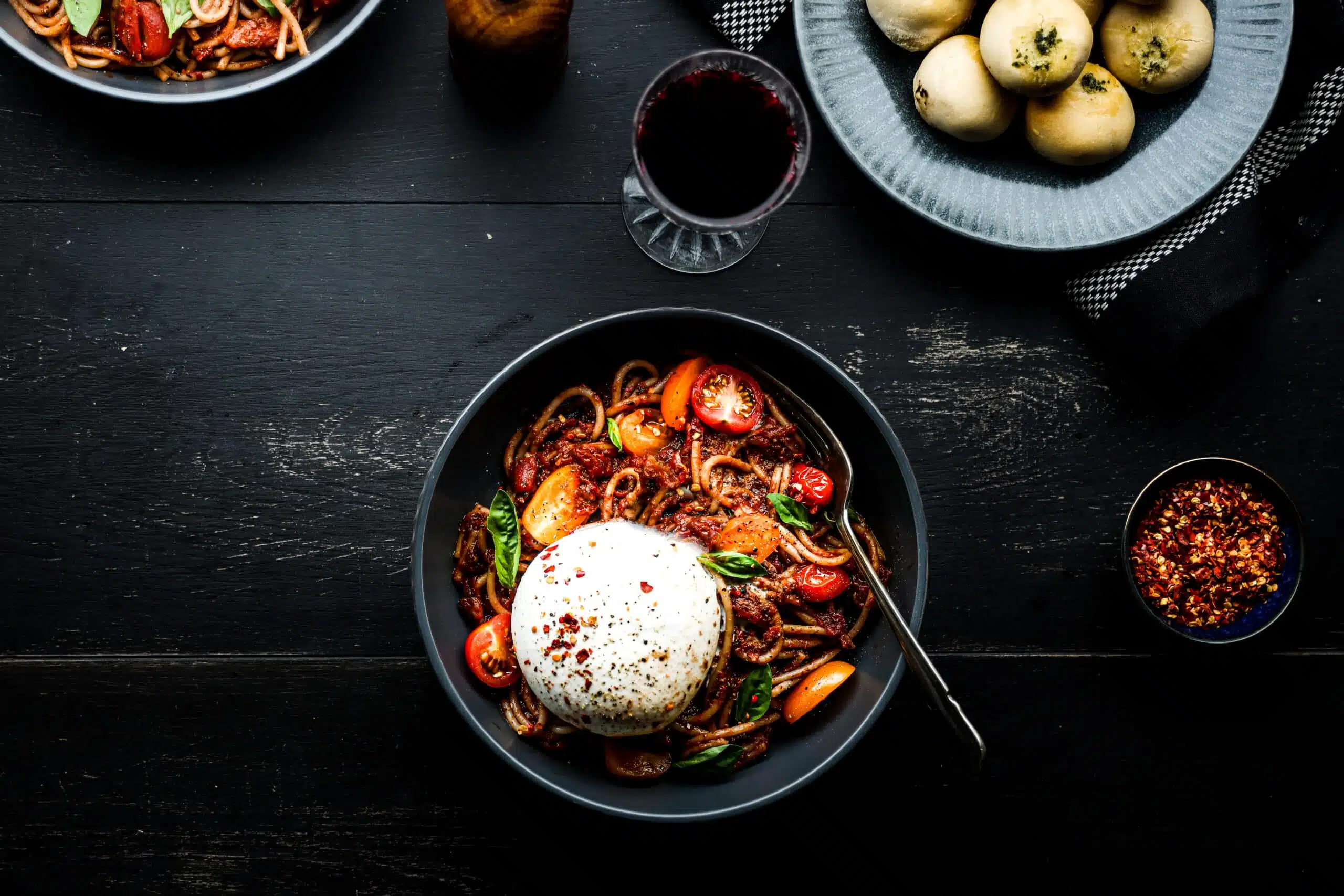
- Long, thin pasta, such as spaghetti and linguine
- Tubular, hollow-centred pasta shapes, like Rigatoni, Cavatappi and Penne
- Small pasta shapes such as Macaroni and Orzo
- Unconventional pasta textures and pasta shapes like Gnocchi and Lasagne sheets
How Nonna Uses Long Pasta Shapes
Tagliatelle, spaghetti, and Linguine are the three long, classic pasta shapes, each with an individual role and its own place in Italian cooking.
Spaghetti
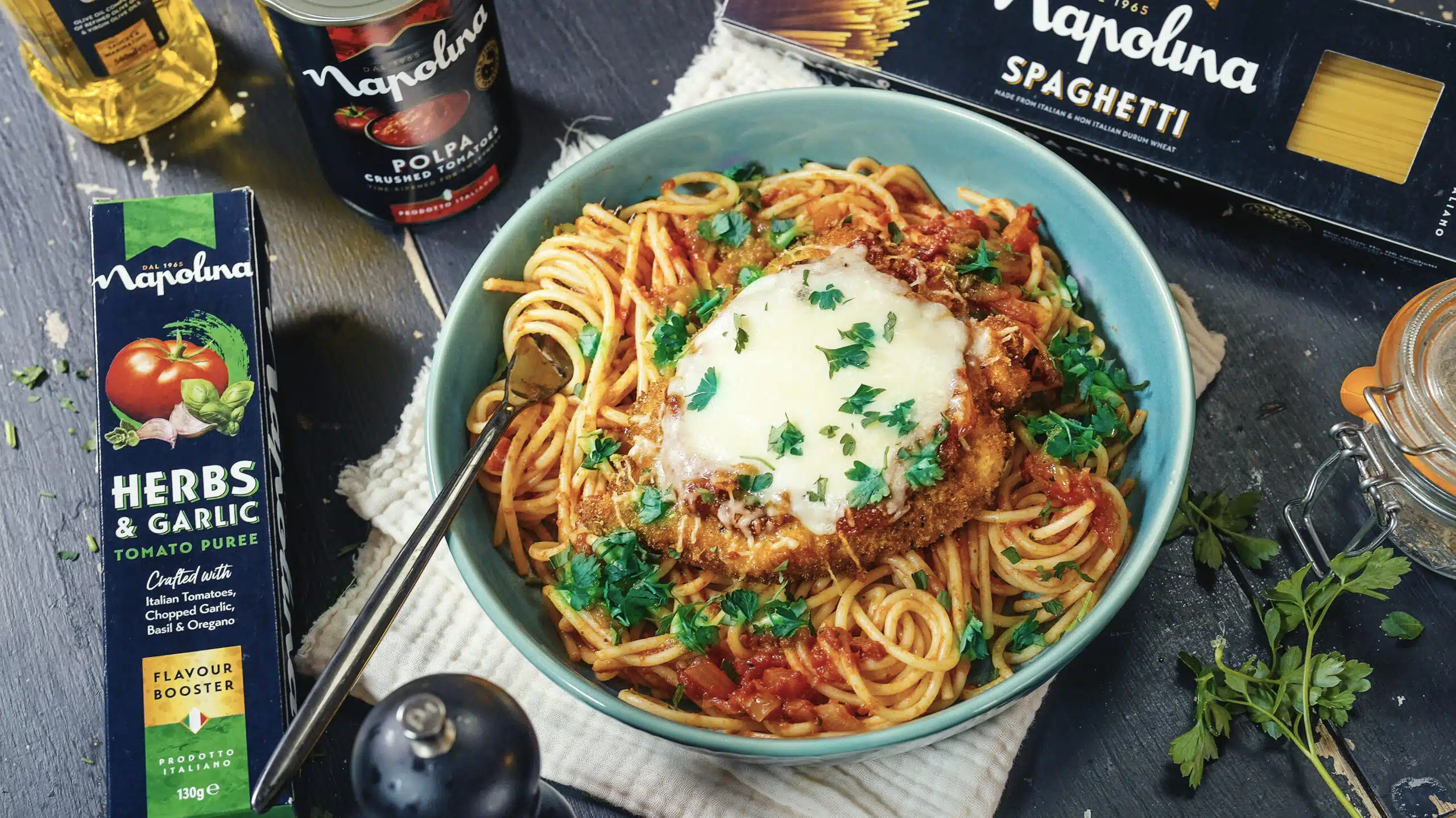
When Nonna is cooking a light, fresh sauce, she reaches for family favourite, Spaghetti. Spaghetti is long, thin and cylinder-shaped, and stems from southern Italy. Spaghetti is made for simple, smooth sauces that lightly coat each strand, such as Spaghetti di Positano or Ricotta Spaghetti.
Linguine
Linguine is Spaghetti’s flatter, wider cousin, sitting between spaghetti and tagliatelle. Linguine is traditionally associated with coastal regions like Liguria, where it’s often served with seafood or pesto, as its wide, flat shape holds more sauce than Spaghetti. With linguine hand in the kitchen cupboard, Nonna knows she’s minutes away from a really good Scallop and Prawn linguine.
Tagliatelle
Tagliatelle, on the other hand, is a broad, flat ribbon with roots in Emilia-Romagna, made for richer, heavier sauces. Tagliatelle is where things start to feel a bit more indulgent, such as a creamy Chicken and Mushroom Tagliatelle.
With this in mind, Nonna will always choose between tagliatelle, spaghetti or linguine depending on the weight and texture of the sauce.
How Nonna Uses Tube Pasta Shapes
Penne and rigatoni are tubular pasta shapes that Nonna comes back to time and time again. Reliable, generous and made for flavour, they’re the kind of pasta that never lets her down.
The ridges and hollow centres of Penne and Rigatoni grab onto sauce from every angle, making them great for chunky sauces, veg-packed dishes and pasta bakes. But what’s the difference between them?
Penne is one of Italy’s most popular pasta shapes, with roots in northern Italy, particularly the Liguria region. Its name comes from the Italian word “penna,” meaning quill or pen, a nod to its tube-like shape with angled ends.
If Nonna wants a pasta shape that works hard across a range of dishes, penne is a go-to for mixing crunchy and creamy textures, like Nonna’s Creamy Pistachio Penne.
Rigatoni is a classic pasta shape from central Italy, most commonly linked to regions like Lazio and Rome. Unlike penne, rigatoni is cut straight across (not at an angle), it has a more substantial bite. This makes rigatoni ideal for heartier sauces and oven‑baked dishes, where the sauce can really settle into every tube.
Penne and Rigatoni look quite similar, but they don’t do the same job.
Penne and Rigatoni are both tube-shaped pasta shapes made to hold sauce, so you can often swap one for the other in a pinch. But their size, texture, and structure mean they bring something different to a dish.
Penne
Penne is smaller and cut at an angle, with a tighter tube. Penne pasta is great for:
- Lighter chunky sauces, just like Spicy Pancetta Pecorino Arrabbiata
- Quick, everyday meals such as Penne Alla Caprese
- Pasta salads or simpler dishes like Pasta e Ceci
Rigatoni
Rigatoni, on the other hand, is larger, wider, and cut straight, with deeper ridges, so whilst Penne has its place, Nonna swears by Rigatoni for:
- Heavier, richer sauces, such as Rigatoni Al Forno
- Ragù like Lamb Shoulder Ragu Rigatoni
- Baked dishes where sauce fills the tubes, such as Tomato Sausage Rigatoni
So, whilst Penne and Rigatoni do have some overlap, Rigatoni is the sturdier choice for bold, hearty dishes – like Nonna’s traditional Rigatoni Alla Norma. whereas Penne is works well across a wider range of everyday dishes, such as Penne Alla Pesto Calabrese.
How Nonna Uses Twist Pasta Shapes
Fusilli, a spiral pasta shape, that Nonna turns to time and time again, whilst Farfalle, known as ‘bow’ pasta, brings a familiar, much‑loved shape to the table. Cavatappi is a hollow, spiral tube pasta shape, whilst Caserecce is a traditional, slightly twisted pasta shape, with a hand-rolled feel – not completely straight, not fully spiralled, but somewhere in between. Whilst they all look playful on a plate, Nonna knows they’re made for different jobs in the kitchen.
Cavatappi
Cavatappi is a practical pasta shape with a name that means “corkscrew,” which perfectly describes its distinctive spiral tube shape.
It’s a hollow pasta tube twisted into a spiral, often with ridges along the outside. That combination gives it a lot of surface area and plenty of places for sauce to cling.
Nonna pairs Cavatappi with:
- Creamy cheese sauces (it’s a favourite for mac and cheese-style dishes)
- Thick tomato-based sauces
- Baked pasta dishes, where the twists hold sauce as it cooks
- Chunky sauces with vegetables or meat
Compared with simpler tube pasta shapes like penne or rigatoni, cavatappi is especially good at holding onto thicker, richer sauces because of its spiral structure. The twists also help trap small ingredients like vegetables or cheese, so you get a more textured bite.
In short, it’s a sturdy, sauce-grabbing pasta shape that’s especially good when Nonna wants a comforting, full-flavoured dish with nothing behind on the plate.
Casarecce
Casarecce is a traditional pasta shape that comes from Sicily, with a slightly twisted, hand-rolled appearance. It looks like a short, rolled tube with a gentle S-shaped curve running through it.
The S shape of Casarecce isn’t just for looks. The folds and grooves in Casarecce are designed to catch and hold sauce, especially thicker or chunkier ones that need a bit of structure to cling to.
Nonna uses Casarecce pasta with:
- Chunky tomato and vegetable sauces
- Pesto (especially Sicilian-style variations, such as Penne alla Pesto Calabrese)
- Ragu such as Lamb Shoulder Ragu Rigatoni
- Pasta salads, where the shape holds dressing and ingredients nicely, such as a Nicoise Pasta Salad.
Compared with smoother tube shapes like penne, Caserecce has more texture and surface area, so it tends to carry more sauce in every bite. Nonna turns to Caserecce when she wants a dish that feels a bit more rustic and heartier without being heavy or complicated.
Farfalle
Farfalle, often called “bow ties,” comes from northern Italy, particularly regions like Lombardy and Emilia-Romagna. Its name means “butterflies,” a nod to its pinched centre and fluted edges. This shape has a mix of textures, with the middle being thicker and softer, while the edges stay slightly firmer when cooked. Because of this, Nonna uses Farfalle for:
- Creamy, buttery-based dishes – you can swap spaghetti for Farfalle in this delicious Ricotta, Pea and Butterbean pasta dish.
- Cream-based sauces that are trapped lovingly in its folds
- Light and fresh dinners, such as tomato and pasta salad with generous drizzles of olive oil
Farfalle is a versatile all-rounder, and Nonna will go to Farfalle when she wants a dish that holds sauce gently and evenly, without overpowering the flavours on the plate.
Fusilli
Fusilli, the spiral-shaped pasta, is traditionally linked to southern Italy. Fusilli twists are great at catching all the good stuff, so every forkful is full of flavour. It’s a small shape that does a lot of work.
Its twisted design is all about functionality, and the grooves and curves are perfect for catching sauce, especially when there are small ingredients involved. Nonna goes to Fusilli time and time again for:
- Pesto-based pairings, such as Italian Style Tuna Pasta Bake and Broccoli Pesto Pasta
- Thick sauces: think vegetable-based, chunky tomato sauces, such as this Baked Fusilli dish with chorizo and mozzarella.
- Pasta salads, such as simple 5 Bean Pasta Salad, made using Napolina beans and pulses.
The key difference between Farfalle and Fusilli pasta shapes boils down to how they hold sauce. Farfalle tends to wear sauce lightly, while fusilli is designed to trap sauce in its spirals, giving you a more textured, flavour-packed bite.
So, if your sauce is smooth or creamy, farfalle works well. If it’s chunky or full of ingredients, Nonna knows fusilli is the better choice.
How Nonna uses shell pasta shapes
Conchiglie may look playful, but as Nonna knows, it means business in the kitchen – its shell shape is made to ensure it scoops up rich, cheesy sauces as if it were made for the job, and is a perfect addition to Italian soups.
Nonna uses Conchiglie with:
- Thick tomato sauces when paired with vegetables or meat
- Rustic Italian soups, such as Spinach and Tomato Italian soup
- Creamy, cheese-based sauces
- Pesto or herb-heavy sauces
- Pasta salads, where it holds dressing and small ingredients like olives or peppers
There are different sizes too, from small conchiglie used in soups or lighter dishes, to larger versions that work beautifully in baked pasta dishes.
Compared with smoother pasta shapes, conchiglie stands out because it collects sauce rather than just coating it, which is why Nonna chooses it when she wants bold flavour, good texture and plenty of sauce in every mouthful.
How Nonna uses smaller pasta shapes
In Nonna’s kitchen, small shapes mean simple, satisfying, sorted. Macaroni and orzo are all about comfort and convenience. They’re easy, versatile, and Nonna knows they’ll always be up for the job.
Macaroni is one of the most familiar pasta shapes, with roots in southern Italy. Its name is thought to come from older Italian words related to “paste” or “kneaded dough,” reflecting its long history as a simple, everyday pasta.
Traditionally, macaroni refers to short, curved tube-shaped pasta. It became popular because it cooks quickly, is easy to store, and works well in a wide range of dishes.
Macaroni is best known for its role in:
- Mac and cheese-style dishes (its curved shape holds creamy sauces really well, and Nonna’s Macaroni Cheese is delicious)
- Baked pasta recipes with cheese or tomato sauce, like Chorizo and Mozzarella Bake
- Soup, such as a rustic Tuscan Minestrone soup
- Classic comfort food dishes, like our spicy Chorizo and Paprika Macaroni
Its curved tube shape is designed to trap sauce inside and around the outside, so even simple recipes feel more satisfying. Compared with longer or straighter tube shapes like penne, macaroni is smaller and softer in structure, which makes it ideal for comfort-style cooking rather than heavy, chunky sauces.
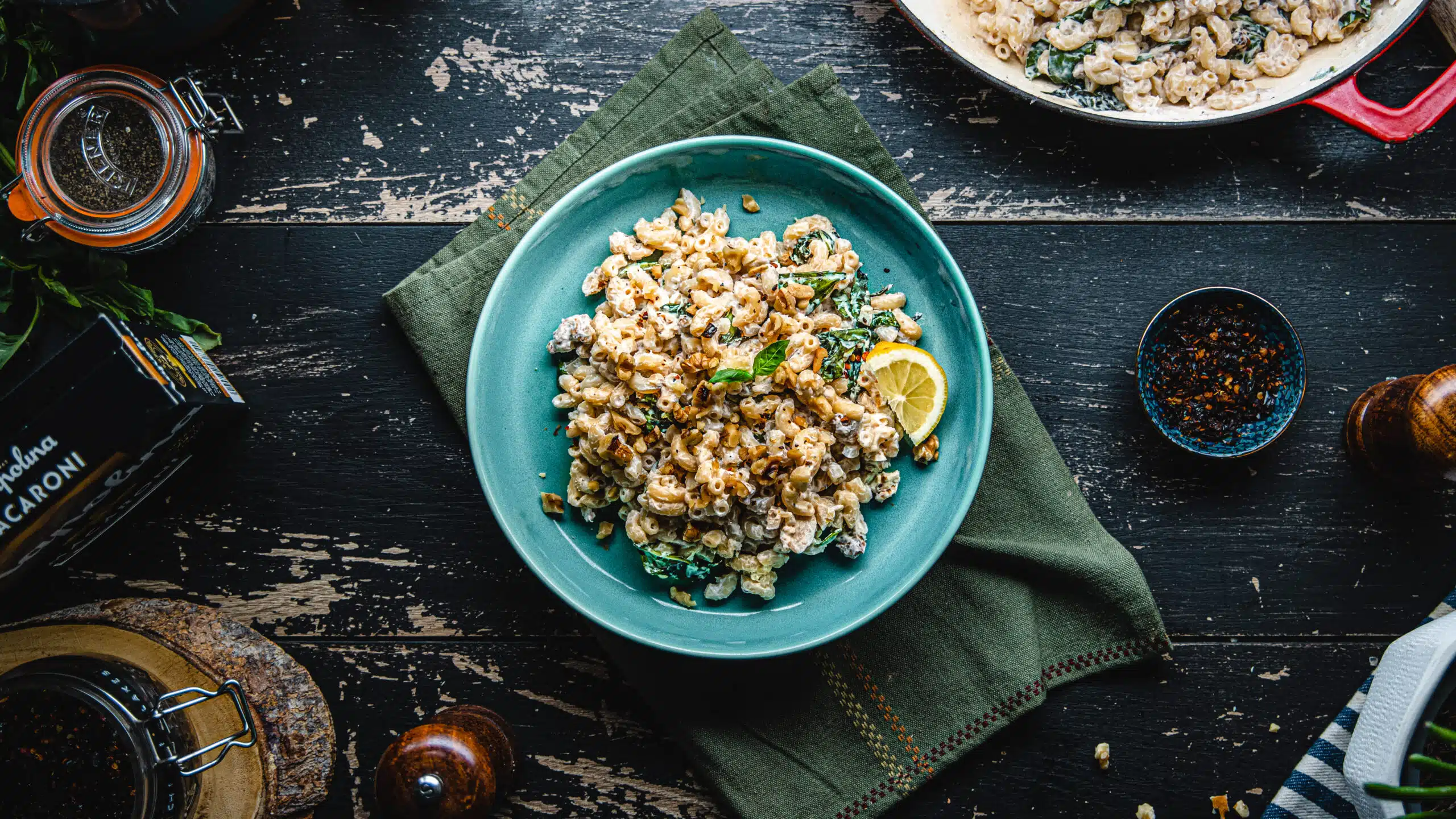
In short, macaroni is Nonna’s go-to for easy, reliable, no-fuss cooking that still delivers plenty of flavour. And if classic Macaroni cheese dishes aren’t for you, there are plenty of ways to mix it up, like our Lemon, Basil and Ricotta Macaroni dish.
How Nonna uses Lasagne sheets
In Nonna’s kitchen, lasagne sheets are what hold everything together – rich sauces, generous fillings and layers of cheese, turning a few simple ingredients into something hearty and deeply satisfying – ideal when you’re feeding your family and friends, or just want leftovers worth looking forward to.
Nonna’s traditional lasagne is true classic, following a recipe passed down through generations. You can also use lasagne sheets to create variations on this classic dish, such as Easy Skillet Lasagne and One-Pan Lasagne. Nonna uses lasagne sheets to hold meats, vegetables, beans and pulses together in delicious Italian tray bakes – layered with care, and always made to share.
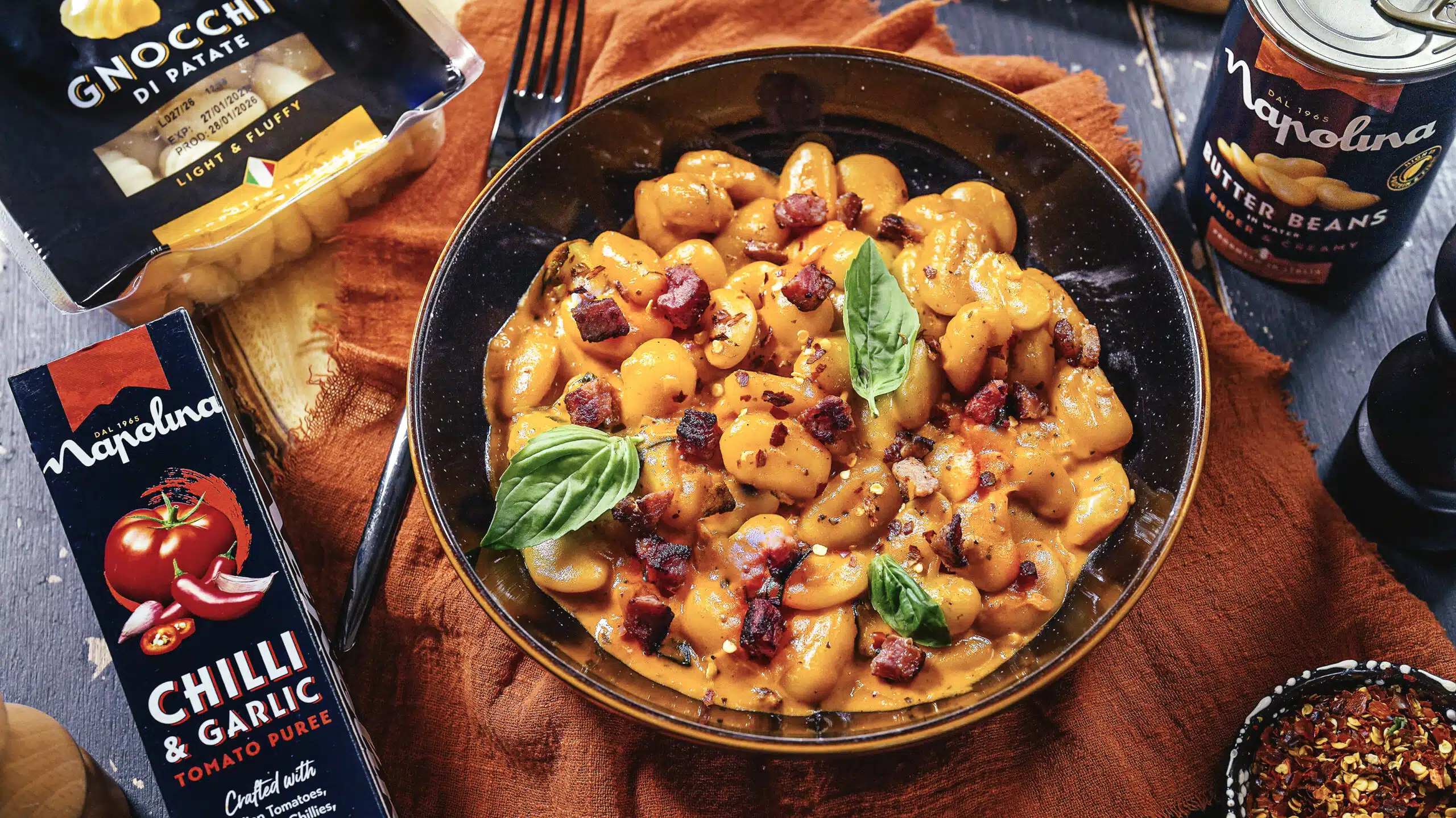
Nonna’s go to Gnocchi
Gnocchi aren’t pasta in the traditional sense. They’re soft, pillowy dumplings, usually made from potatoes, flour, and sometimes egg, and Italians treat them differently at the table. In Nonna’s kitchen, Gnocchi calls for a simple approach, serving them with butter and sage, or olive oil, letting the texture do all the talking. But as Nonna knows, gnocchi are just as happy paired with a variety of sauces, when chosen with care:
- Light, smooth tomato passata sauce, to create a warming tomato and parmesan Gnocchi dish
- Creamy sauces paired with a bit of crunch, such as Gnocchi Cacio e Peppe with toasted pistachios and wild garlic
- Chopped tomato sauce, for a delicious alternative to Spaghetti Bolognese – your very own Gnocchi Bolognese
Nonna’s tips for cooking with Orzo
Orzo may look like rice, but it’s actually a small, wheat‑based pasta -made just like other pasta shapes.
Because of Orzo’s size and shape, it’s used in a mix of pasta-style dishes and more brothy, spoonable dishes. Nonna will always turn to orzo when she wants a creamy, smooth dish, such as Creamy Tomato and Burrata Orzo, a thick soup or warming broth.
Nonna’s tips for choosing pasta shapes
No complicated rules, no overthinking – just a simple approach to pasta shapes that works every time:
- Soup or liquid? Think Orzo or Conchiglie
- Smooth sauce? Go long and gently twisted
- Rich sauce? Go wide and flat
- Chunky sauce? Go ridged or twisted
- To structure an Italian dish? Lasagne sheets are the answer!
That’s it.
Once you start paying attention to pasta shapes, cooking becomes more intuitive and definitely more delicious.
With Napolina’s pasta range, it’s easy, with all the classic shapes ready to go. Once you know what each one does best, you can mix, match, and cook with a little more confidence. Buon appetito!
For authentic Italian cooking, read more of Nonna’s tips, or read more of Nonna’s tips on pasta and sauce pairings.