Nonna’s Tips: How to Thicken Soup
Across Italy, soups are designed to be filling and comforting. From Tuscan ribollita to Pasta e Fagioli, they’re often thickened naturally using pantry staples rather than flour or cream.
How do you thicken soup?
The easiest way to thicken soup is to simmer it with the lid off so excess liquid cooks away. You can also blend a ladle of the soup and stir it back in, mash in some beans or lentils, or add small pasta or stale bread, which soak up liquid as they cook.
Nonna’s 6 Ways to Thicken Soup
1. Simmer with the lid off
Nonna’s first answer is always patience. Take the lid off and let the soup bubble gently for 10 to 15 minutes. The extra liquid cooks away, and the flavour gets richer too.
2. Blend a ladle and stir it back in
Scoop out a ladle or two of soup, blend until smooth and stir it back into the pan. The soup thickens and turns creamy but still has some texture.
3. Bring in some beans
A tin of Napolina cannellini beans is Nonna’s secret. Mash a few with a fork and stir them through for a velvety soup with extra protein. Lentils work well too.
4. Add a handful of small pasta
Small shapes like orzo or broken spaghetti release starch as they cook, which thickens the soup naturally. Add them for the last 10 minutes or so, and a splash more stock if they drink up too much.
5. Use up all of your bread
In Tuscany, nothing goes to waste. In Tuscany, bread is an ingredient, not a leftover. Traditional dishes like ribollita transform yesterday’s bread into a rich, hearty soup, proving that some of Italy’s best recipes were born from making simple ingredients go further.
Your bread softens and melts into the soup, making it thick and hearty.
6. Stir in tomato purée or passata
For tomato-based soups, a spoonful of tomato purée adds body and depth. A splash of Napolina passata does the same for a smoother finish.
Quick Questions About Thickening Soup
How do you thicken soup without flour?
Simmer it uncovered, blend part of it, or add mashed beans, lentils, small pasta or stale bread. These are the ways Italian cooks have always done it, and none of them needs flour.
Why is my soup too watery?
Usually there’s too much stock for the amount of vegetables, or the soup hasn’t simmered long enough. Take the lid off and give it more time before adding anything else.
Does soup thicken as it cools?
Yes. Soups with beans, pasta or potato thicken as they stand. Nonna always loosens leftovers with a splash of water or stock when she warms them up.
A final note on thickening soup
The best Italian soups rely on simple ingredients and clever cooking techniques rather than shortcuts. Whether you’re thickening with beans, bread, pasta or tomatoes, these traditional methods help create hearty soups that bring warmth and comfort to the table.
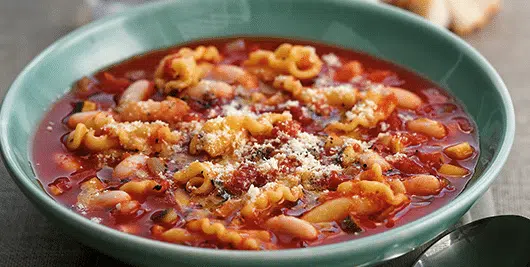
Many traditional Italian soups are intentionally thick. In dishes like Pasta e Fagioli, the line between a soup, stew and pasta dish is deliberately blurred, creating the hearty texture Italian families have enjoyed for generations.
Learn more about cooking Italian soups, or discover how to thicken stew.