Italy and pasta are synonymous. Cooking pasta dishes has been part of Italian culture for centuries, and as with all delicious, authentic Italian meals, each region in Italy developed its own approach to pasta specialities. By the 19th Century, regions of Northern Italy popularised thick, egg-based pasta such as tagliatelle, whilst Southern Italy became known for dried pasta like penne and spaghetti, with Naples at the centre of dried pasta production.
So, when it comes to cooking pasta, here’s how Nonna does it.
Getting started with cooking pasta
First things first, when cooking pasta, ensure that you choose a larger pan to give your pasta enough room to cook evenly. Next, fill your pan with water, and bring it to the boil.
Select a pasta shape that’s going to work cohesively with your sauce – if you’re creating a light, fresh sauce, you should opt for a thinner-shaped pasta such as spaghetti. Thick, tubed or ridged pasta shapes are best matched to thicker, denser sauces, such as ragù, or creamy carbonara sauce.
Add salt to the boiling water, as this will season and add flavour to the pasta. Although this is optional, we recommend approximately ½ a teaspoon for every 100g of cooking pasta. You must add salt after the water boils, before the pasta goes in. This is your only chance to season the pasta itself.
Carefully add your pasta to the pan of boiling, salted water, and stir it well, ensuring the water continues to boil, as this will prevent your pasta from sticking together.
Cooking pasta times
Check the cooking times on each of the Napolina pasta packs – for example, Napolina Whole Wheat pasta takes an extra minute to cook. Larger pasta shapes, such as rigatoni, may take slightly longer to cook through. The rule of thumb for cooking pasta is to let it boil for 9-11 minutes. In Italy, pasta is cooked until it is ‘al dente’, which means it should feel soft but slightly firm to the bite. Nonna will use a fork to taste the pasta on instinct, around 1–2 minutes before the cooking time ends. The texture of the pasta should be soft, yet still slightly firm in the middle.
If you’re satisfied with the pasta texture, drain the pasta over a sink, but Nonna always makes sure to reserve a small cup of water for adding to the pasta sauce. A splash of pasta water helps emulsify and bind your sauce, making it silky smooth. There is no need to rinse your pasta – this will remove the starchy flavour. Only rinse your pasta if you are cooking a cold pasta salad.
Serving pasta dishes
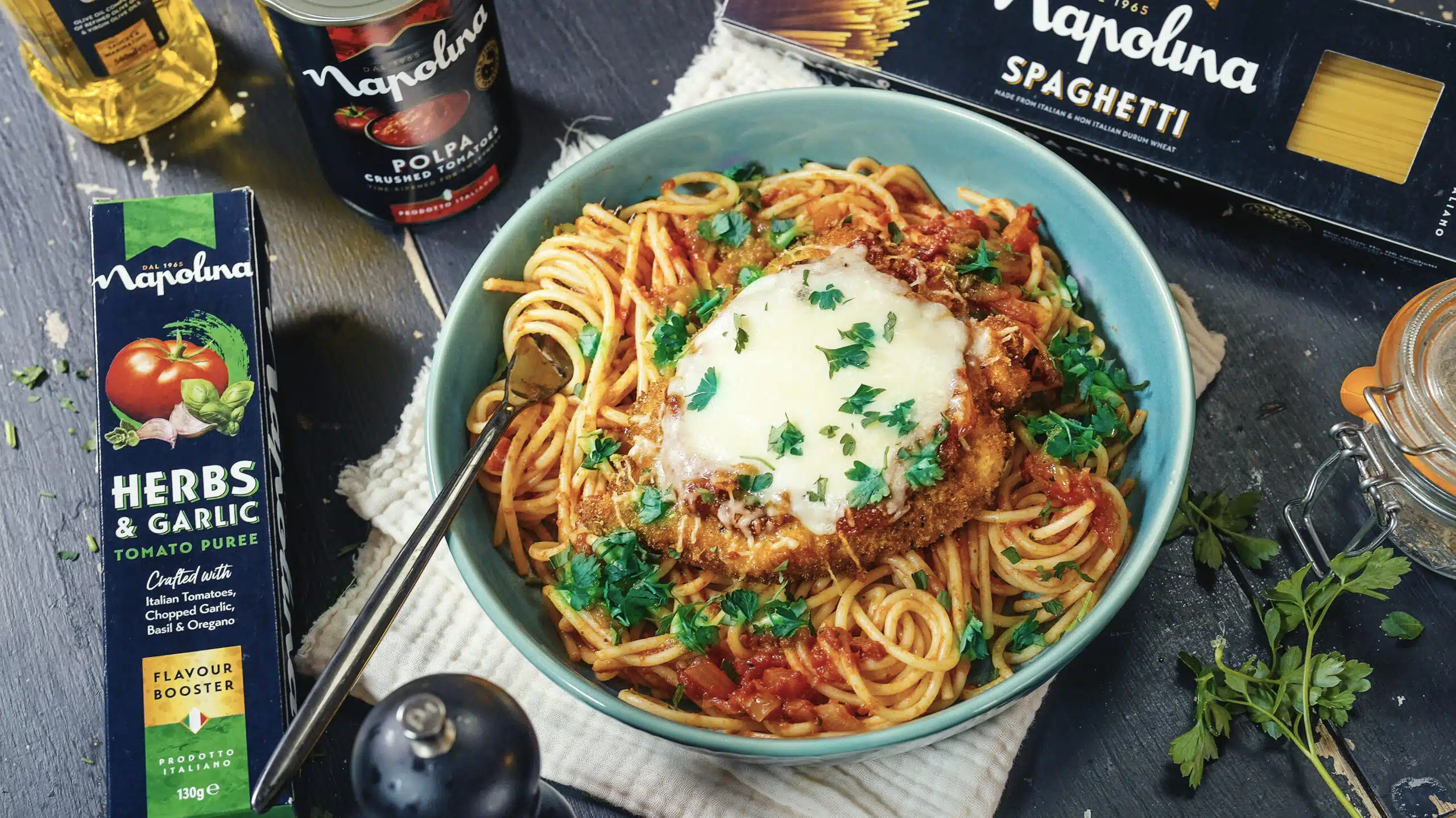
Nonna never throws her sauce over the pasta; instead, the pasta should be gently added into your sauce and folded into it lovingly – take time to ensure the pasta absorbs the sauce flavours. Add a splash of pasta water to bring everything together. You want your pasta to be fully coated in your sauce before serving.
Pasta waits for no one. Italians plate it right away, so it stays hot and perfectly textured! When serving, you can add a drizzle of Napolina olive oil, grated cheese, or fresh herbs such as basil or parsley as a delicious finishing touch. But remember, a cornerstone of Italian cooking is simplicity – a few ingredients done well beats a long list every time.
Start cooking pasta dishes with our delicious collection of pasta recipes, or explore our full pasta range here.